05/11/2024
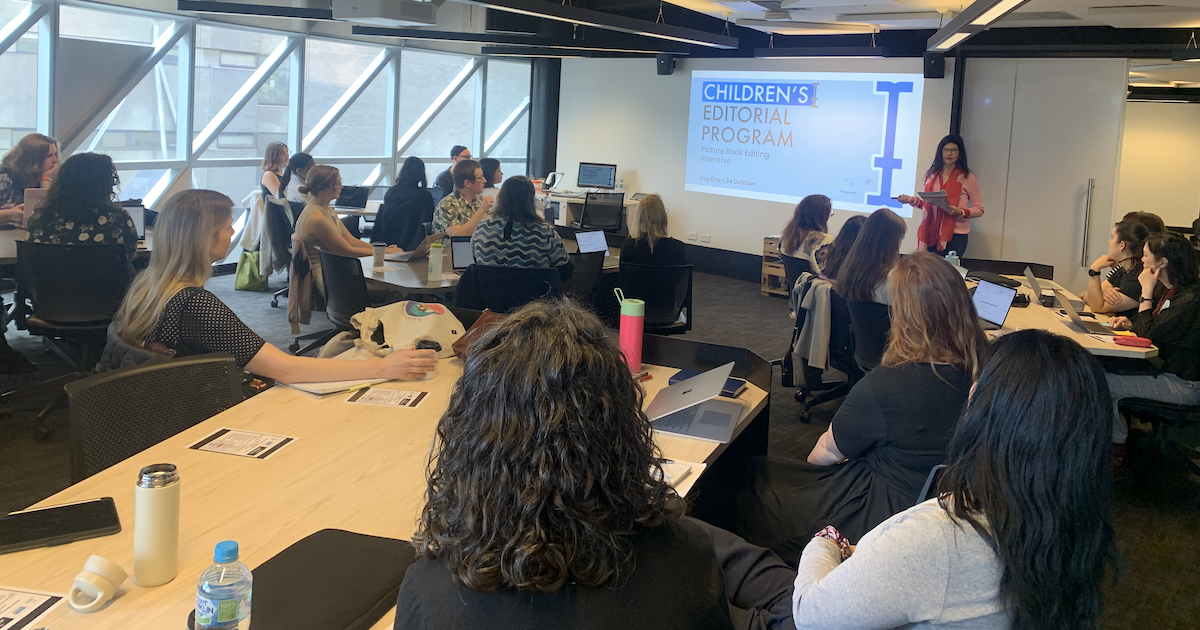
The inaugural Children’s Editorial Program gathered 26 editors from across Australia for the Picture Book Editing Intensive to explore different ideas and processes while learning new skills.
The two-day intensive in Melbourne featured presentations and conversations around the craft of picture book editing, delivered by a broad range of publishing professionals, authors, and illustrators. Developed by the APA’s Children’s Publishing Committee alongside esteemed children’s book publisher and author Jane Godwin, the program provided busy days full of ideas, learning and vibrant discussions.
The course more than lived up to its ‘intensive' title, with Rosie Outred, editor at Simon & Schuster saying:
‘I feel like I’ve done about a year’s worth of learning in two days’
Alongside the valuable time in the classroom, participants also benefited from the opportunities to build relationships and share insights with other editors over breaks and meals, which was extremely beneficial to those from smaller companies.
Speakers and participants were asked to share a notable picture book during the program – whether it was a personal favourite as a child, one they enjoy reading as an adult to children in their life, or something memorable or interesting from a craft perspective. With classics from the likes of Janet and Allen Ahlberg, Raymond Briggs or Shirley Hughes, through to more modern creators such as Mac Barnett and Jon Klassen, Shaun Tan, or Hervé Tullet, there’s a fascinating mix of picture book styles worth exploring – view the list of recommendations here.
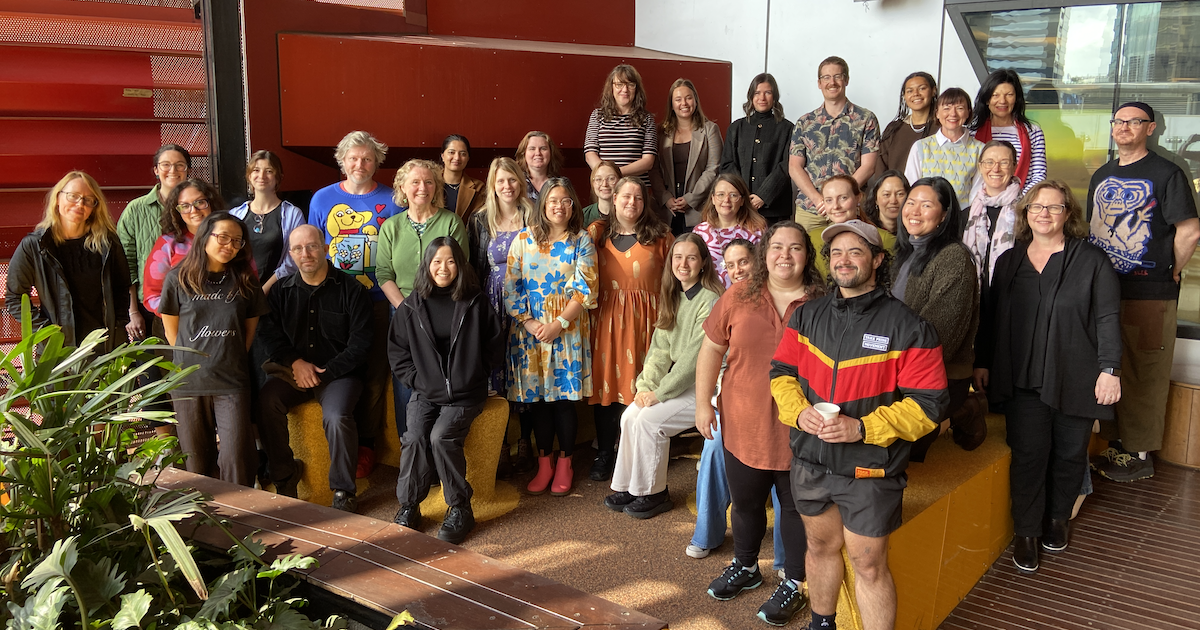 The twenty six Children's Editorial Program participants along with some of the tutors and speakers
Plenty to reflect on
Rochelle Stephens from Wombat Books was one of the IPC bursary recipients allowing her to travel from Chinchilla in Queensland to take part. She shares some reflections on her experience of the program:
Enlightening conversations and beneficial ideas
I was fortunate to join the inaugural Picture Book Intensive as 26 editors and publishers joined an all-star line up of tutors. These included experienced publishers and picture book creators such as Clare Hallifax, Clair Hume, Davina Bell, Anna Walker, Erica Wagner, and many many more.
The two days were jam packed full of reflections on the picture book editing process, understanding the market, and lots of conversations about how to work through the dynamics of author and illustrator, including whether they work independently or together, and where design and production fits in the process.
Most attendees were from middle to larger publishers with extensive experience in the publishing industry. Having been an editor and publisher for a number of years in my small publishing house I sometimes find it quite isolating. Hearing ideas on what makes an award winning book, how long some of the books take to produce, and how other editors have navigated the process was incredibly beneficial. The conversations around what makes a picture book literary or commercial and the spectrum of these were enlightening.
Session highlights
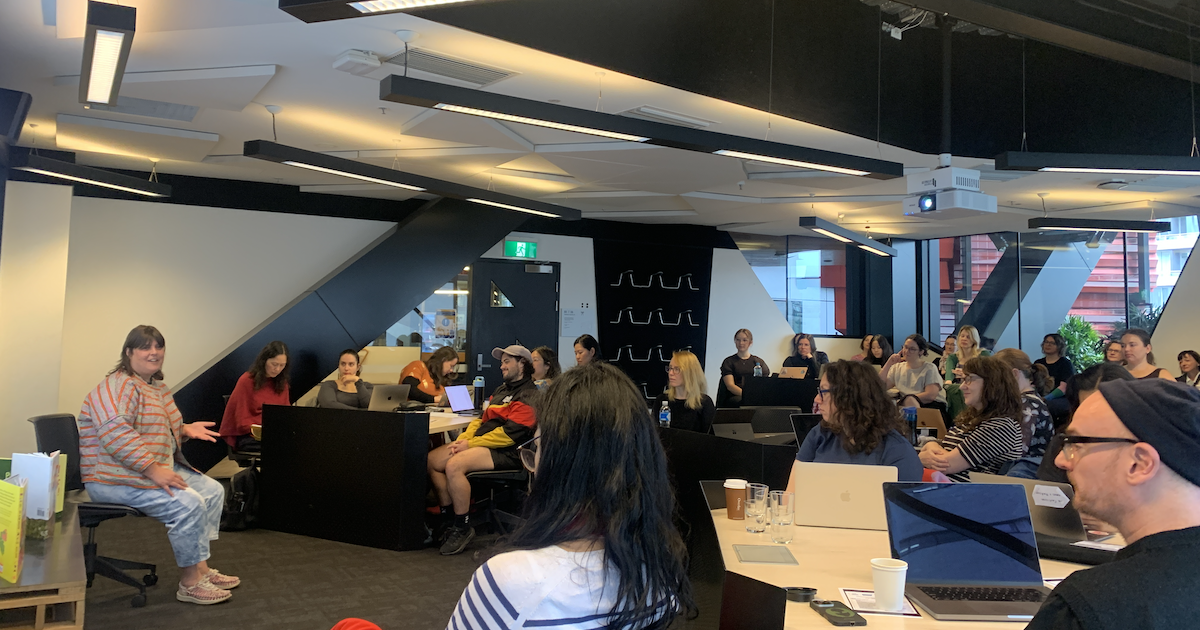
Davina Bell's session on editing picture books was not only very enjoyable, but gave a deep look at some practical editing tips, particularly for editing rhymes. She also discussed balancing what kids want versus what picture books that are being published contain. Margrete Lamond and Anna Walker both gave insight into the art process from an artist's perspective as well as a designer's perspective. And Erica Wagner and Dave mangenner Gough shared the meaning, development, and incredible unique story of Dave's award winning book. But this was just a snippet of the two day intensive workshops.
Takeaways
My biggest takeaways from the program are:
-
Reading aloud: While I know a picture book is for young children, in many ways it is also for the adult reading to the young child. How they engage in it should be enjoyable. Tired parents are often the ones reading (and re-reading!) favourite picture books, so editors should always check how a picture book sounds aloud.
-
International opportunities: The industry contains many challenges, but Australia's small market is a snippet of the rest of the world where our books can be sold into and shared.
-
Genre matters: Picture books are not a genre of their own, in fact there are numerous genres within them. This seems like it should be obvious, but we often group them together.
-
Relationships are key: So much of publishing is about relationships. This is something I have experienced in my publishing as well. Trust, cooperation and relationship are foundations for creating a book.
I also really enjoyed the networking and hearing the experiences of other publishers. Not all publishers (big or small or somewhere in between) have the same processes, or even the same language for specialist terms. It was an amazing blessing to be able to attend and participate. I am looking forward to my next picture book edits!
R. A. Stephens is a teacher by day, writer, editor and publisher by night. She is passionate about the written word, what stories can do to take a reader to a new world and open our eyes to love, compassion, the bigger picture and much more. When not working, teaching or writing, she enjoys living in the country and spending time with her kids and cats.
Our thanks to the APA’s Children’s Publishers Committee for their development of the program, the Independent Publishers Committee for their contribution of the bursaries, and RMIT for the venue.